
When you get injured in an accident, one of the first things that can shape your case is insurance. Whether it’s a crash on Ridge Road, a slip in a Parma Heights store, or a dog bite in Seven Hills, the insurance coverage tied to the accident often determines what happens next. If you are trying to figure out your rights and how compensation works, understanding how insurance policies work is a good place to start.
The personal injury attorneys at Mizak and Pacetti handle these cases every day. Here’s how insurance can affect your claim in Ohio and what you should expect during the process.
What Happens When the Other Person Has Insurance
If someone else caused the accident, their insurance company usually steps in to protect them. That company starts by collecting information. They will request police reports, medical records, photos, and anything else related to your injuries and how the accident happened.
Let’s say you were rear-ended at the intersection of Broadview Road and Snow Road. The other driver’s auto insurance would review the damage, evaluate your injuries, and potentially make a settlement offer. These offers are often lower than what you really deserve, especially if you’re not represented by a lawyer.
If the case does not settle, the insurance company hires a lawyer to represent its insured in court. However, they will only pay up to the limits of the policy. So if their maximum coverage is $25,000 and your medical bills are $40,000, that gap becomes your problem unless other coverage applies.
Other types of insurance that may come into play:
- Homeowners insurance (for dog bites or injuries on private property)
- Business liability insurance (for falls or injuries at commercial locations)
- Commercial auto insurance (if a work vehicle is involved)
What If the At-Fault Person Has No Insurance
This situation is more common than most people expect. If someone hits you on State Road or causes an accident while uninsured, the process gets harder. There is no insurance company to deal with. That means you have to try to collect compensation directly from the person who caused the injury.
You can sue and win a judgment, but collecting that judgment can be tough. The person may not have enough income or assets to pay. Even if a court orders them to pay, they might not be able to do so. A good personal injury attorney can help figure out if pursuing a case like this is worth it based on the other person’s financial situation.
How Your Own Auto Insurance Might Help
If you were injured by someone without insurance, or their policy does not fully cover your damages, your own auto policy might provide a backup. Many Ohio drivers carry something called uninsured motorist (UM) or underinsured motorist (UIM) coverage.
UM coverage helps if the at-fault driver has no insurance at all. Your own insurance company would step in and evaluate the claim. If they agree that the other person was responsible and you’re injured, they may offer compensation up to your UM policy limit.
UIM coverage kicks in if the other driver’s policy pays out but doesn’t cover everything. For example, if the at-fault driver’s policy pays $25,000 and your damages are $50,000, your UIM coverage could make up the difference, up to the limits you selected.
Always review your auto policy after an accident. You may have more protection than you think.
What Your Health Insurance Does After an Accident
If you are treated for injuries after an accident, your health insurance usually covers the cost of doctor visits, physical therapy, and hospital care. This sounds good, but there’s something important to know.
If you later get a settlement from the at-fault party’s insurance, your health insurance company may ask to be reimbursed. They often place a lien on your settlement. This means they expect to be paid back for some or all of the medical expenses they covered. The same goes for Medicaid and Medicare. These programs must be repaid if they cover any injury-related treatment.
An attorney can often negotiate these liens to reduce how much you have to pay back, which helps put more money in your pocket at the end of your case.
Why Insurance Is One of the First Things Lawyers Look At
When you meet with a personal injury attorney in Parma, one of the first questions they will ask is whether insurance is involved. That is because insurance coverage usually determines whether a case is financially worth pursuing.
A claim involving a business in Parma’s Ridge Park Square, for example, is very different from a fender bender with someone who has no job, no assets, and no insurance. The more insurance available, the more likely your damages can be recovered.
FAQ
1. What is the average personal injury settlement in Ohio?
There’s no one-size-fits-all number. Settlements depend on the severity of your injuries, medical costs, time missed from work, and how much insurance coverage is available. Some claims settle for a few thousand dollars, while others with serious or permanent injuries can reach six figures or more. Courts in Cuyahoga County and surrounding areas may also impact case values based on past verdicts and how juries typically respond.
2. Do I have to pay my health insurance back after a personal injury settlement?
Usually, yes. If your health insurance paid for accident-related treatment, they may place a lien on your settlement to recover those costs. This includes Medicaid and Medicare, which are legally required to be reimbursed. Private insurers often do the same under your policy terms. An experienced attorney can negotiate these liens so you don’t pay back more than necessary.
3. How long does it take to settle a personal injury claim in Ohio?
Some cases settle in a few months, but others take longer, especially if there’s a dispute or if the case goes to court. The process often depends on how long your medical treatment lasts and how willing the insurance company is to negotiate fairly. In the Parma area, many cases settle out of court, but more complex claims may take a year or more to resolve.
4. Can I sue if the other driver in a car accident has no insurance?
Yes, you can sue the at-fault driver directly. But winning a judgment is just one part of the process. The bigger issue is collecting that money, which can be difficult if the person doesn’t have income or assets. Many drivers use their own uninsured motorist coverage in these cases, which helps protect you when the other driver can’t pay.
5. Will my car insurance go up if I use my UM or UIM coverage?
In most situations, using your uninsured or underinsured motorist coverage should not raise your premiums. These types of claims involve accidents that weren’t your fault. Insurance companies in Ohio generally do not penalize you for using these benefits, but it’s always a good idea to confirm with your provider.
Injured in Northeast Ohio? Talk to an Attorney Before Dealing With Insurance
Trying to handle an injury claim on your own can cost you more than you think. Insurance companies are trained to protect themselves, not you. An experienced personal injury lawyer knows how to push back when offers are too low or claims are denied unfairly.

If you were hurt because of someone else’s mistake, talk to the Parma personal injury lawyers at Mizak and Pacetti. We help people across Cuyahoga County understand their options and deal with the insurance process the right way.
Contact us now to schedule your free consultation.
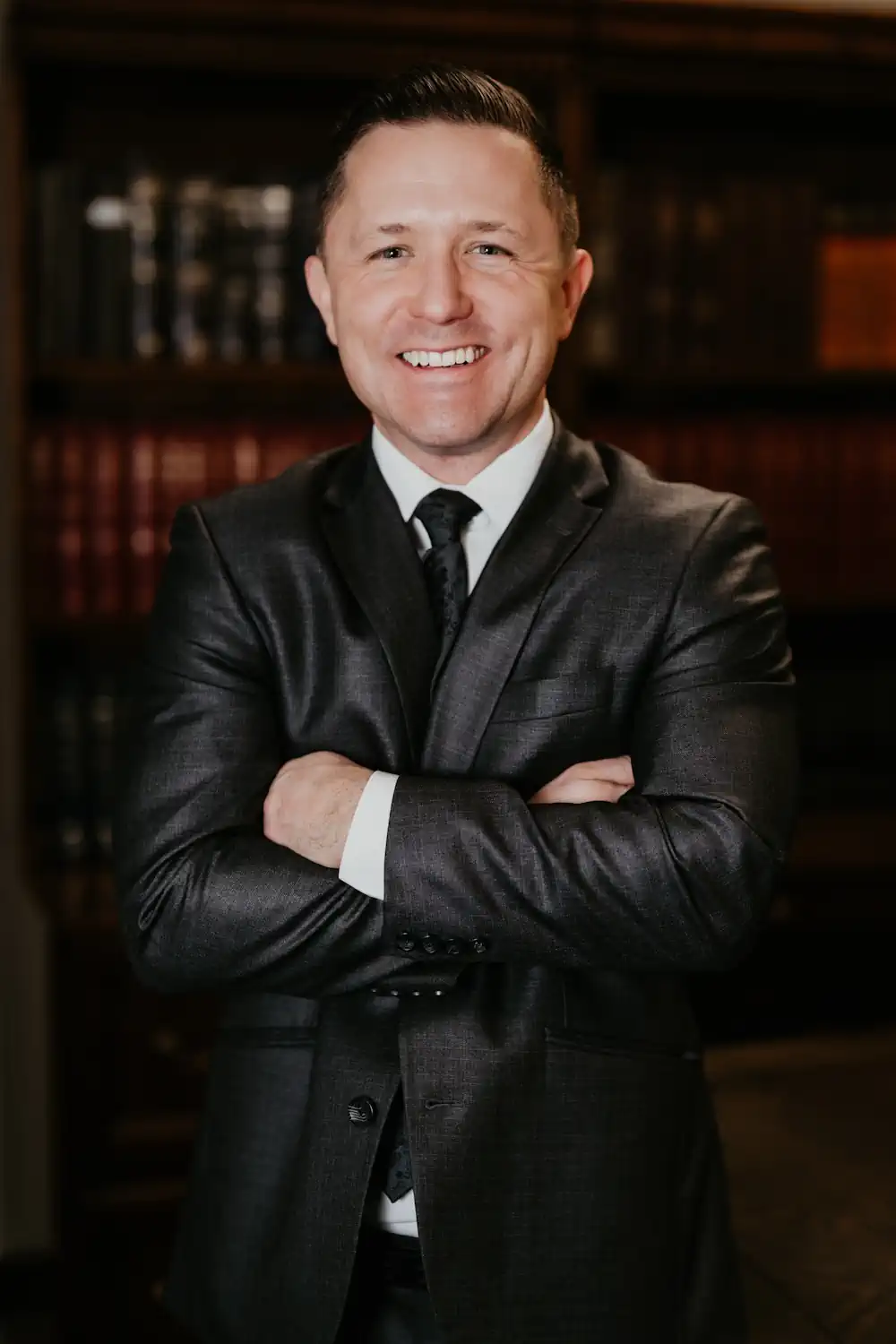
Jason, a partner at Mizak & Pacetti, LLC, brings 18 years of experience in estate planning, estate administration, business law, and civil litigation. He specializes in preserving family legacies, managing estates, and resolving disputes. Jason also handles real estate issues, asset management, and business disputes within estates, providing strategic, empathetic legal solutions.