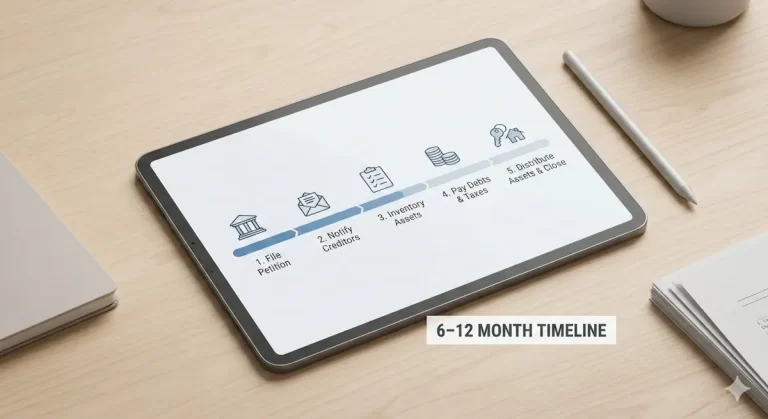

When a loved one passes away, one of the first questions families in Parma ask is: Who takes care of everything? Whether there’s a will or not, Ohio probate law lays out a process for managing a person’s estate. That process starts with someone being appointed to handle the legal and financial tasks — either as an executor or an administrator. Working with an experienced Ohio probate lawyer can help ensure this process runs smoothly from start to finish.
Here’s what that means and how it works, based on whether there’s a Last Will and Testament.
If There’s a Will: The Executor Takes the Lead
If the person who passed had a valid will, it usually names someone to carry out the instructions in that document. That person is known as the executor.
Most wills also name an alternate or backup executor, just in case the first choice is unavailable. The executor doesn’t have to be a family member, but they do need to meet a few basic requirements:
- Be at least 18 years old
- Be legally competent
- Not have any disqualifying criminal convictions
Executors can live outside of Ohio, but it’s often easier if they’re located nearby — especially when court appearances or managing local property is involved.
Once the will is filed with the Cuyahoga County Probate Court, the court reviews the document and formally appoints the named executor to begin handling the estate.

What If the Named Executor Can’t Serve?
It’s not uncommon for someone named in a will to be unable or unwilling to serve. Maybe they’ve passed away, moved far away, or simply don’t feel comfortable taking on the responsibility.
When that happens, another person can apply to be appointed. The court will look at:
- Whether the person applying has a legal interest in the estate
- The statutory priority rules under Ohio law
- Whether the applicant meets Ohio’s eligibility requirements
Spouses, adult children, or close relatives are typically next in line. If more than one qualified person applies, the court decides who is best suited based on availability and competency.
If There’s No Will: The Court Appoints an Administrator
When someone dies without a will — known legally as dying “intestate” — there’s no named executor. In that case, the court steps in and appoints an administrator to manage the estate.
Under Ohio Revised Code § 2113.06, priority is usually given in this order:
- Surviving spouse
- Adult children
- Other close relatives
If more than one eligible person applies, the court chooses who to appoint. In some cases, the court may appoint co-administrators if it makes sense to split responsibilities.
Unlike executors, administrators must live in Ohio. That’s one of the most important differences between the two roles.
Administrator Requirements in Ohio
To be appointed as an administrator in Parma or anywhere in Ohio, a person must:
- Be 18 years or older
- Be mentally competent
- Be a resident of the State of Ohio
- Not have any felony convictions related to theft, fraud, or dishonesty
In addition, unless a will waives the bond requirement, administrators usually need to post a probate bond. This acts as a safeguard in case anything goes wrong during the administration process. Probate bonds are based on creditworthiness and may require a background check.
Common Executor and Administrator Duties
Whether you’re an executor or administrator, the responsibilities are similar. These can include:
- Gathering and valuing assets
- Paying debts, taxes, and final expenses
- Managing or selling property
- Distributing assets to heirs or beneficiaries
- Filing reports and inventories with the probate court
Some estates in Ohio qualify for relief from administration if the total value of assets is below a certain amount. This can simplify the process, but it’s important to speak with a probate attorney to determine eligibility.
When Should You Talk to a Probate Lawyer?
Even when things seem straightforward, managing an estate can quickly get complicated. Property titles, missing paperwork, old debts, or family disagreements can cause delays and confusion.
If you’re in Parma, Ohio or surrounding communities like Brooklyn, Seven Hills, or Middleburg Heights, Mizak & Pacetti probate lawyers can help you:
- Understand your rights and responsibilities
- File the correct paperwork with the probate court
- Avoid unnecessary delays
- Handle out-of-state property or multi-heir estates
Whether you’re planning your own estate or navigating probate after someone has passed, the right legal guidance can make a stressful process a lot smoother.
FAQ
1. Does Ohio require an attorney for probate?
Ohio does not require you to hire an attorney for probate, but having legal guidance is often helpful, especially if the estate is large or complicated. Executors are legally responsible for managing the estate properly, and mistakes can lead to delays or even personal liability. An experienced probate attorney can help ensure all court filings, asset distributions, and deadlines are handled correctly.
2. Can probate be avoided if there’s a will in Ohio?
Having a will doesn’t automatically avoid probate in Ohio. A valid will simply tells the probate court how the person wanted their assets distributed. The estate still typically has to go through probate to legally transfer property. However, assets with designated beneficiaries or those placed in a trust may bypass probate regardless of whether there’s a will.
3. How do I start probate in Ohio?
To begin probate in Ohio, the person named as executor in the will, or an interested party if there’s no will, must file a probate application in the county where the deceased lived. This includes submitting the original will, a death certificate, and basic information about the estate. The court will then appoint the executor or administrator, who can begin managing the estate’s assets and debts.
4. Do bank accounts go through probate in Ohio?
It depends on how the account is set up. If a bank account is solely in the deceased’s name and no beneficiary is listed, it usually goes through probate. However, if the account is labeled as payable-on-death (POD) or jointly owned with survivorship rights, it passes directly to the named person without going through the court. Checking account documents can clarify what applies.
5. Can an executor live out of state in Ohio?
Yes, Ohio allows an out-of-state executor to serve, but the court may require them to appoint a local agent to accept legal documents on their behalf. Serving as an executor from another state can be more difficult, especially when handling property sales, court appearances, or document signings. Many people in this situation choose to work closely with a local probate attorney for convenience and compliance.
Need help administering an estate in Parma or the surrounding area? Schedule a free consultation with Mizak & Pacetti today — we’ll walk you through the process and help you avoid costly mistakes.

Jason, a partner at Mizak & Pacetti, LLC, brings 18 years of experience in estate planning, estate administration, business law, and civil litigation. He specializes in preserving family legacies, managing estates, and resolving disputes. Jason also handles real estate issues, asset management, and business disputes within estates, providing strategic, empathetic legal solutions.